
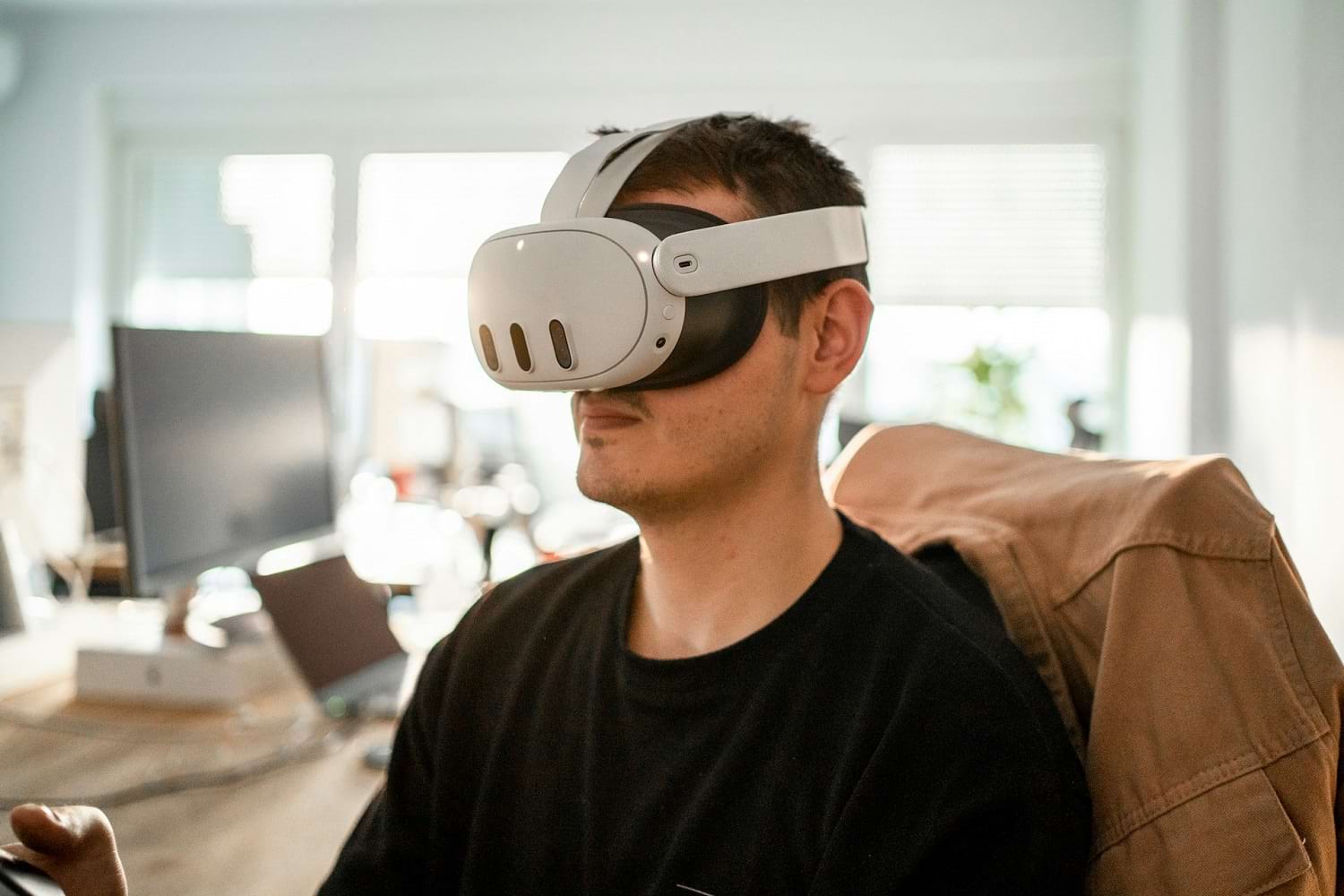
Creating a Safe and Effective Virtual Reality Training Experience
Physical and Technical Foundations of VR Safety
A safe environment is the starting point for any successful virtual reality training program. Training spaces should be carefully prepared by removing obstacles such as furniture, loose cables, or uneven flooring that could cause trips or collisions. Even though users are immersed in a digital world, their physical surroundings remain very real, which is why clear boundaries and marked play areas are essential. Establishing these basics is one of the most practical safety tips for vr training, as it directly reduces the likelihood of preventable accidents and builds confidence among participants before they even put on a headset.

Equally important is preparing participants to use the technology correctly. Before a session begins, users should receive clear instructions on how the equipment works, what they can expect during the simulation, and how to safely exit or pause the experience if needed. Monitoring physical comfort during training is also critical. Trainers should watch for signs of motion sickness, dizziness, or fatigue, and offer regular breaks to allow gradual adaptation. These steps are often overlooked, yet they remain central safety tips for vr training that protect users while maintaining focus and learning effectiveness.
Human-Centered and Inclusive Safety Practices
Beyond physical concerns, hygiene and equipment maintenance play a major role in creating a secure training environment. Shared headsets and controllers should be cleaned after each use, and devices must be inspected regularly for signs of wear or damage. Faulty equipment can distract users or even cause injury, undermining trust in the training process. Consistent maintenance routines are therefore practical safety tips for vr training that support both health standards and long-term usability of VR systems.

Psychological safety and accessibility complete the picture of responsible VR training. Intense or realistic scenarios may overwhelm some participants, so debriefing sessions, open feedback, and emotional support should always follow training. Additionally, accessibility features such as seated modes, subtitles, or voice commands allow employees with different needs to participate comfortably. When physical, emotional, and technical considerations are combined, organizations create a balanced framework where engagement and learning thrive. This holistic mindset represents the most advanced safety tips for vr training, ensuring that innovation never comes at the expense of well-being.